Author: scholarpus

  • 1xbet 2026 : guide complet de la vérification de compte

    Guide pratique 1xbet 2026 : tout ce qu’il faut savoir pour jouer en France

    Après l’image d’en‑tête, vous allez plonger directement dans les aspects concrets de 1xbet 2026. Que vous soyez nouveau sur les sites de paris ou déjà habitué aux casinos en ligne, ce guide vous donne les étapes claires, les pièges à éviter et les meilleures astuces pour profiter de chaque fonctionnalité sans perdre de temps.

    1. Inscription et création de compte sur 1xbet 2026

    La première étape consiste à créer un compte. Rendez‑vous sur le site, cliquez sur « S’inscrire » et choisissez entre l’inscription rapide (par numéro de téléphone) ou le formulaire complet (e‑mail, mot de passe, pays). La procédure est fluide, mais n’oubliez pas de cocher la case d’acceptation des conditions générales, indispensable pour activer votre compte.

    Une fois le compte créé, le processus de vérification (KYC) vous demandera d’envoyer une pièce d’identité et un justificatif de domicile. Cette étape peut sembler fastidieuse, mais elle garantit la sécurité de vos fonds et vous protège contre les fraudes. Après validation, vous êtes prêt à déposer.

    Pour télécharger l’application, cliquez sur tГ©lГ©chargez1xbet et suivez les instructions d’installation sur Android ou iOS.

    2. Les bonus et promotions de 1xbet 2026

    1xbet propose un large éventail de bonus dès votre premier dépôt. Le « welcome bonus » typique offre jusqu’à 100 % de bonus sur les premiers 100 €, mais attention aux exigences de mise (wagering requirements) souvent fixées à 30 x le montant du bonus.

    En plus du bonus de bienvenue, vous trouverez des promotions récurrentes : cash‑back quotidien, paris gratuits, tournois de machines à sous, et même des offres spéciales sur le live casino. Chaque promotion a ses propres conditions, alors lisez toujours les petits caractères avant de miser.

    3. Méthodes de paiement et dépôts rapides

    1xbet 2026 accepte une variété de méthodes de paiement, ce qui facilite les dépôts instantanés. Voici les options les plus courantes pour les joueurs français :

    • Cartes bancaires Visa/MasterCard
    • Portefeuilles électroniques (Skrill, Neteller)
    • Virements bancaires SEPA
    • Cartes prépayées (Paysafecard)

    Les dépôts sont généralement crédités immédiatement, vous permettant de commencer à jouer sans attendre. Toutes les transactions sont chiffrées via SSL pour garantir la confidentialité de vos données bancaires.

    4. Retraits : vitesse, limites et frais

    Le retrait d’argent sur 1xbet dépend de la méthode choisie. Les portefeuilles électroniques offrent les temps de traitement les plus courts (souvent 15 à 30 minutes), tandis que les virements bancaires peuvent prendre 2 à 5 jours ouvrés.

    Il existe des limites quotidiennes et mensuelles ; par exemple, le retrait maximum via Skrill est de 5 000 € par jour. Aucun frais de retrait n’est appliqué pour la plupart des méthodes, mais certains fournisseurs (ex. : cartes de crédit) peuvent prélever une petite commission.

    5. L’offre de casino en ligne : jeux, live casino, RTP

    Le casino de 1xbet 2026 propose plus de 3 000 titres, couvrant machines à sous, jeux de table, vidéo‑poker et un live casino animé par de vrais croupiers. Chaque jeu indique son RTP (Return to Player), un indicateur clé pour les joueurs avisés.

    Catégorie Exemple de jeu RTP moyen Volatilité
    Machines à sous Starburst 96,1 % Faible
    Blackjack Blackjack Classic 99,5 % Faible
    Roulette live Roulette européenne 97,3 % Moyenne
    Vidéo‑poker Jacks or Better 99,5 % Faible

    Le live casino propose des tables de blackjack, roulette, baccarat et poker, avec des croupiers francophones pour plus de confort. La plupart des jeux sont compatibles avec les appareils mobiles, garantissant une expérience fluide partout.

    6. Paris sportifs et autres paris sur 1xbet 2026

    En plus du casino, 1xbet possède un sportsbook complet couvrant le football, le tennis, le basket‑ball, les courses hippiques et même les sports électroniques. Les cotes sont régulièrement mises à jour et le cash‑out vous permet de sécuriser une partie de vos gains avant la fin du match.

    Des paris combinés, des paris à long terme et des paris en direct sont disponibles. La fonction « Bet Builder » vous laisse créer votre propre combinaison de paris sur un même évènement, offrant des cotes potentielles plus élevées.

    7. Application mobile et expérience sur smartphone

    L’application 1xbet 2026, disponible sur Android et iOS, regroupe toutes les fonctions du site web : casino, live casino, paris sportifs, gestion du compte et support. L’interface est optimisée pour les écrans tactiles, avec un menu déroulant qui facilite la navigation même avec une connexion 4G.

    Le dépôt se fait en un clic grâce à la mémorisation sécurisée des méthodes de paiement. Les notifications push vous alertent des nouvelles promotions, des paris en cours et des dépôts/ retraits confirmés.

    8. Service client, support et assistance

    Le support client de 1xbet 2026 est accessible 24 h/24 via chat en direct, email et téléphone. Les agents parlent français, anglais et plusieurs autres langues, ce qui est un vrai plus pour les joueurs francophones.

    Le centre d’aide en ligne propose des articles détaillés sur les bonus, les dépôts, les retraits et la vérification d’identité. En cas de problème urgent, le chat en direct garantit une réponse en moins de deux minutes.

    9. Sécurité, licences et jeu responsable

    1xbet opère sous licence délivrée par la Curacao eGaming Authority, ce qui assure le respect des standards de sécurité et de protection des joueurs. Toutes les transactions sont cryptées SSL et les serveurs sont hébergés dans des data centers certifiés ISO 27001.

    Le site propose des outils de jeu responsable : limites de dépôt, auto‑exclusion, rappel de temps de jeu et accès à des organismes d’aide (Joueurs‑responsables, GamStop). Ces mesures visent à protéger les joueurs et à prévenir les comportements à risque.

  • دليل وان اكس بت المصرية في الإمارات: التسجيل، طرق الدفع، البونصات وتطبيق الموبايل

    دليل شامل للعب وان اكس بت المصرية في الإمارات

    ما هو وان اكس بت المصرية؟

    وان اكس بت المصرية هو منصة مراهنات رياضية وكازينو على الإنترنت تستهدف المتحدثين باللغة العربية، وتقدم خدماتها للمستخدمين في دول عربية متعددة، بما في ذلك دولة الإمارات العربية المتحدة. المنصة تعتمد على تراخيص دولية وتقدم مجموعة واسعة من الألعاب، من الكازينو الحي إلى ألعاب السلوتس والرياضات المتنوعة. تم تصميم الموقع ليتماشى مع القوانين المحلية، لكن يبقى من الضروري التحقق من التوافر الفعلي في الإمارات قبل البدء.

    بالإضافة إلى ذلك، يركز وان اكس بت المصرية على تجربة مستخدم سلسة عبر المتصفح والهاتف، مع توفير دعم فني متاح على مدار 24 ساعة. إذا كنت من محبي المراهنات وتبحث عن منصة عربية سهلة الفهم، فإن هذه الخدمة قد تكون خياراً مناسباً لك.

    كيفية التسجيل في وان اكس بت المصرية

    عملية التسجيل بسيطة ولا تستغرق وقتاً طويلاً. إليك الخطوات الأساسية:

    1. زيارة الصفحة الرئيسية والنقر على زر “تسجيل”.
    2. إدخال البريد الإلكتروني، كلمة المرور، ورقم الهاتف الإماراتي.
    3. اختيار عملة الحساب (الدولار الأمريكي أو الدرهم الإماراتي) وتأكيد التسجيل عبر البريد.
    4. إكمال عملية التحقق (KYC) بتحميل نسخة من هوية الإمارات.

    بعد إتمام هذه الخطوات، يمكنك الدخول إلى حسابك وتفعيل البونص الترحيبي. إذا واجهت أي صعوبة، فإن فريق الدعم جاهز للمساعدة عبر الدردشة الحية أو البريد الإلكتروني.

    طرق الإيداع والسحب المتاحة في الإمارات

    تقدم وان اكس بت المصرية مجموعة من طرق الدفع التي تدعم المتعاملين داخل الإمارات، مع مراعاة سرعة التحويل وتكاليف الخدمة.

    طريقة الدفع مدة الإيداع مدة السحب الرسوم
    بطاقة الائتمان (فيزا/ماستركارد) فورية من 1 إلى 3 أيام عمل لا توجد رسوم
    محافظ إلكترونية (محفظة UAE Pay) فورية من 0 إلى 24 ساعة رسوم بسيطة (≈ 2٪)
    تحويل بنكي محلي من 1 إلى 2 أيام عمل من 2 إلى 5 أيام عمل رسوم ثابتة (≈ 5 درهم)

    اختر الطريقة التي تناسبك بناءً على مدى سرعتها وتكلفتها. لا تنسَ مراجعة حدود الإيداع اليومية لضمان توافقها مع ميزانيتك.

    العروض والبونصات الخاصة بالموقع

    يقدم وان اكس بت المصرية مجموعة من العروض الترحيبية والمنتظمة لجذب اللاعبين الجدد والحفاظ على ولاء العملاء. أبرز هذه العروض:

    • بونص الترحيب 100% على الإيداع الأول حتى 200 درهم، مع شرط تحويل 30×.
    • دورات مجانية أسبوعية في ألعاب السلوتس ذات RTP عالي.
    • مكافأة أسبوعية للرهانات الرياضية تصل إلى 50 درهم.

    تأكد من قراءة الشروط الخاصة بكل بونص، خاصةً متطلبات المراهنة (wagering requirements) وفترة الصلاحية. إذا كنت تبحث عن أفضل قيمة، فراقب صفحة العروض بانتظام.

    تجربة اللعب عبر التطبيق والموبايل

    من أهم مميزات وان اكس بت المصرية هو تطبيق الهاتف المحمول المتوفر لأنظمة أندرويد و iOS. التطبيق يقدم تجربة سريعة ومستقرة، مع وصول مباشر إلى الكازينو الحي، الألعاب الرياضية، والسلوتس.

    يمكنك تحميل التطبيق من المتجر الرسمي أو من خلال الرابط المباشر داخل حسابك. إذا كنت تفضل النسخة المتوافقة مع المتصفح، فالموقع مصمم ليكون استجابة (responsive) على جميع الأجهزة. تطبيق 1xbet القديم ما يزال يُستَخدم من قبل بعض اللاعبين كخيار بديل.

    الأمان والترخيص

    المنصة مرخصة من هيئة الألعاب في جبل طارق (Gibraltar Gaming Commission)، ما يعني أنها تخضع لمعايير صارمة في مجال العدل وحماية البيانات. جميع عمليات الإيداع والسحب مشفرة باستخدام بروتوكول SSL 256‑bit.

    بالإضافة إلى ذلك، يُطلب من اللاعبين إكمال عملية التحقق (KYC) لضمان منع الاحتيال وحماية حساباتهم. الالتزام بهذه الإجراءات يضمن لك تجربة آمنة ومحمية من أي تهديدات إلكترونية.

    نصائح عملية للفوز وإدارة الرصيد

    إدارة الرصيد بذكاء هي أساس النجاح في أي منصة مراهنات. إليك بعض الإرشادات العملية:

    • حدد ميزانية أسبوعية ولا تتجاوزها مهما حدث.
    • ابدأ باللعب على ألعاب ذات تقلب (volatility) منخفض لتقليل الخسائر.
    • استفد من العروض التي لا تتطلب رهان عالي لتحقيق ربح سريع.
    • راقب نسبة العائد إلى اللاعب (RTP) واختَر الألعاب التي تتجاوز 96٪.

    تذكر أن المراهنات تعتمد على الحظ، ولا توجد استراتيجية مضمونة للربح. اللعب المسؤول يضمن لك الاستمتاع دون التعرض لمشكلات مالية.

    الدعم وخدمة العملاء

    يقدم وان اكس بت المصرية فريق دعم متعدد اللغات، بما في ذلك العربية، متاح على مدار الساعة عبر الدردشة الحية والبريد الإلكتروني. الوقت المستغرق للرد عادةً لا يتجاوز 3 دقائق في الدردشة.

    إذا واجهت مشكلة في عملية السحب أو في التحقق من الهوية، فإن فريق الدعم يقدم إرشادات خطوة بخطوة لتسريع العملية. لا تتردد في طلب المساعدة، فخدمة العملاء الجيدة تعكس مصداقية المنصة.

    الأسئلة الشائعة (FAQ)

    هل يمكنني اللعب من داخل الإمارات دون استخدام VPN؟

    نعم، المنصة تدعم اللاعبين الإماراتيين مباشرةً، لكن يجب التأكد من أن خدمات الدفع المختارة متاحة في الدولة.

    ما هو الحد الأدنى للإيداع؟

    الحد الأدنى للإيداع هو 10 درهم إماراتي عند استخدام بطاقات الائتمان أو المحافظ الإلكترونية.

    هل هناك حد أقصى للسحب؟

    الحد الأقصى للسحب اليومي هو 5000 درهم، ويمكن رفعه بعد إتمام عملية التحقق الكامل.

    © 2026 Black Leopards FC. جميع الحقوق محفوظة.

  • How to Find Legitimate Scholarships Online (Without Getting Scammed)

    How to Find Legitimate Scholarships Online (Without Getting Scammed)

    Searching for college scholarships can quickly feel like a full-time job where half the postings are trying to sell you something or steal your data. Every year, millions of students waste hours filling out entries for “lottery-style” awards that yield nothing, while overlooking thousands of dollars in genuine local and institutional funding.

    Finding legitimate scholarships online isn’t about applying to every shiny $10,000 banner ad you see. It comes down to knowing where verified money lives, separating real sponsors from lead generators, and organizing your search so you aren’t burned out by week two.

    1. Start With Direct, Government-Backed Portals

    Before you sign up for commercial search engines, start with official databases that don’t profit off your contact information. Federal agencies and public institutions maintain extensive, free directories where they vet every opportunity before listing.

    CareerOneStop (U.S. Department of Labor)

    Sponsored by the U.S. Department of Labor, CareerOneStop features a free Scholarship Finder tool indexing over 9,500 verified scholarships, grants, and fellowships.You can filter directly by study level, major, state, and specific personal background without creating an account or handing over a phone number.

    State Higher Education Agencies

    Every state operates its own higher education grant agency funding resident students. These state-level programs often offer generous merit and need-based awards that go under-filled simply because high school students forget to check their home state’s educational portal.

    Your Target Colleges’ Financial Aid Pages

    The highest-value awards usually come directly from the institutions you apply to. University departmental pages frequently list alumni-funded micro-scholarships reserved exclusively for enrolled students in specific majors (e.g., engineering, journalism, nursing).

    2. Use Reputable Commercial Search Engines Wisely

    Aggregator platforms can save time by matching your profile against large databases, but they require a strategic approach to protect your inbox from spam.

    Search PlatformBest Used ForKey Feature
    College Board BigFutureInstitutional & Merit MatchesDirectly links with college application profiles and academic interests.
    FastwebHigh Volume & Niche FilteringLongest-running database with strong alert settings for upcoming deadlines.
    Scholarships360Vetted State & Field AwardsCurates listings strictly to eliminate dead links and lead-generation traps.
    Bold.orgUnique Donor-Funded GrantsThe interface lets you sort by specific passions, causes, and project requirements.

    Pro Tip: Set up a separate email address (e.g., alex.scholarships@gmail.com) strictly for scholarship search engines.Commercial platforms frequently sell user contact lists to marketing partners, and isolating these emails keeps your main personal inbox clean.

    3. Dig Up Local Awards (Where the Competition Drops)

    National scholarships with a $25,000 prize might attract 50,000 applicants. A $1,000 award offered by your city’s Rotary Club might attract twelve. Winning three local scholarships often takes less total effort than winning one national mega-award.

    To uncover unlisted local funds:

    • Check Community Foundations: Search for your county or city name alongside “Community Foundation scholarship.” These non-profits manage endowment funds established by local donors and businesses.
    • Examine Local High School Counselor Sites: You don’t have to limit yourself to your own school. Neighboring public high schools often publish their counseling department’s local scholarship bulletin publicly on their websites.
    • Inquire with Local Employers & Credit Unions: Local banks, utility companies, trade unions, and civic organizations routinely sponsor annual awards for neighborhood residents or employees’ dependents.
    • Use Specific Google Search Strings: Instead of searching “college scholarships,” use exact phrase operators:
      • "high school seniors" "scholarship" " [Your City Name] "
      • "apply by" "scholarship" "community foundation" [Your County]

    4. How to Spot Scholarship Scams Immediately

    According to guidelines from the Federal Trade Commission (FTC) and Federal Student Aid, legitimate scholarship providers give out money—not collect it. Any platform exhibiting the following warning signs should be flagged immediately:

    Red Flag 1: Application or Processing Fees

    An upfront fee of $5, $10, or $50 to “process” or “hold” an application is a standard indicator of a scam. Real grantors never require payment to consider your entry.

    Red Flag 2: “Guaranteed” Disbursal or Money-Back Promises

    No legitimate search service or sponsor can guarantee that you will win funding. Selection committees evaluate candidates independently based on stated criteria.

    Red Flag 3: Requests for Sensitive Personal Credentials

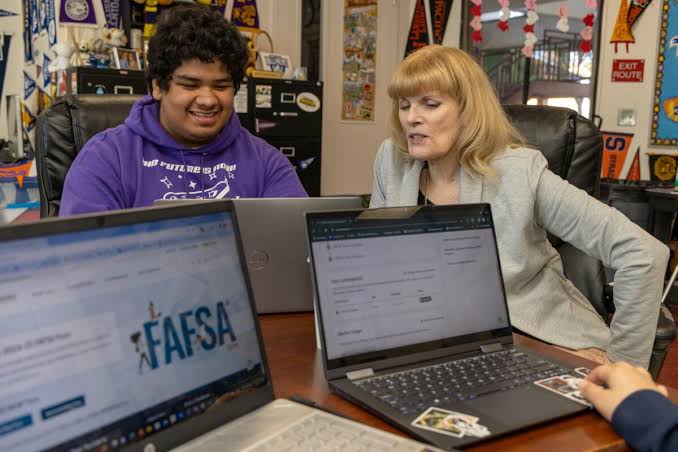
    A legitimate scholarship application may ask for proof of enrollment, official transcripts, or financial need metrics (like your FAFSA SAI score). However, never give out:

    • Your Social Security Number (unless completing an official tax verification form upon winning).
    • Bank account details, debit card numbers, or credit card details.
    • Your StudentAid.gov FSA ID, username, or password.

    Red Flag 4: Unsolicited “Award” Notifications

    If you receive an email or text congratulating you as a finalist for a contest you never applied for, it is a data-harvesting attempt. Delete it immediately.

    5. Build an Efficient Application Workflow

    Winning scholarships is a numbers game paired with strict quality control. Implementing a system keeps your materials sharp and deadline-ready.

    Track Every Opportunity in a Central Spreadsheet

    Record essential fields for every target award:

    1. Name & Official Web Address (Save the provider’s primary domain, not an aggregator link).
    2. Exact Deadline & Time Zone.
    3. Submission Requirements(Essays, transcripts, recommendation letters).
    4. Current Status(Not Started, Drafted, Submitted).

    Develop Modular “Core” Essays

    Most scholarship prompts revolve around four recurring themes:

    • Overcoming a significant obstacle or hardship.
    • Academic interest and long-term career goals.
    • A meaningful community service or leadership experience.
    • Why you chose your specific field of study.

    Draft strong, well-edited 500-word responses for each category. When new applications open, adapt and polish these core essays rather than starting from scratch every single time.

    Request Recommendation Letters Early

    Give teachers, supervisors, or community leaders at least 3 to 4 weeks before the deadline. Provide them with a concise “brag sheet” listing your current GPA, activities, service work, and target career path so they can write detailed, personalized letters quickly.

    Frequently Asked Questions (FAQ)

    Are “no-essay” sweepstakes scholarships worth applying for?

    Generally, no. Most “no-essay” $1,000 awards function primarily as lead generators for marketing companies to collect and sell student contact info. Because entering requires only a name and email, hundreds of thousands of people enter, dropping your odds near zero. Your time is far better spent writing a 300-word essay for a $500 award with fifty applicants.

    Can winning outside scholarships reduce my financial aid from my college?

    Yes, through a process known as scholarship displacement. Federal rules require a college financial aid package not to exceed the total cost of attendance. If outside awards put you over that limit, the university may adjust your aid package—usually reducing student loans or work-study first before cutting grant aid. Always check your institution’s financial aid office policies.

    When is the best time of year to search for scholarships?

    Scholarship application windows operate year-round, but peak season runs from October through April for the upcoming academic year. High school seniors should start searching heavily in the fall, while current college students should check institutional deadlines between December and February.

    How can I verify if an unknown scholarship foundation is legitimate?

    Cross-reference the foundation on tax-exempt record databases such as GuideStar, Charity Navigator, or the IRS Tax-Exempt Organization Search. Legitimate non-profit foundations are legally registered 501(c)(3) entities with public records and verifiable contact details. If a sponsor lacks a physical address, contact phone number, or history of past award recipients, skip it.

    What should I do if I accidentally shared personal info with a scam site?

    If you provided financial account info, contact your bank immediately to freeze the account or reverse charges. If you suspect identity theft or gave out sensitive credentials, place a fraud alert on your credit report and report the organization directly to the FTC at ReportFraud.ftc.gov

    .

  • Whales: Giants of the Ocean

    Whales: Giants of the Ocean

    Whales are among the largest and most remarkable animals on Earth. These marine mammals live in oceans around the world, from warm tropical waters to the cold seas surrounding the poles.

    Life Beneath the Surface

    Although whales spend their lives in water, they breathe air through blowholes located on top of their heads. They must regularly return to the surface to breathe before diving again in search of food or traveling through the ocean.

    Whales are warm-blooded, give birth to live young, and nurse their calves with milk. A thick layer of fat called blubber helps protect them from cold water and stores energy during long migrations.

    Two Main Groups

    Whales are generally divided into baleen whales and toothed whales. Baleen whales filter small animals from the water using flexible plates inside their mouths. This group includes blue whales, humpback whales, and gray whales.

    Toothed whales use teeth to catch fish, squid, and other prey. Many of them also use echolocation, producing sounds and listening for returning echoes to understand their surroundings. Sperm whales, belugas, and orcas belong to this group.

    The Blue Whale

    The blue whale is the largest known animal to have ever lived. An adult can grow longer than a city bus and weigh well over one hundred tonnes. Despite its enormous size, it feeds mainly on tiny crustaceans called krill.

    Communication and Migration

    Whales communicate using clicks, whistles, pulses, and complex songs. Some sounds can travel across great distances underwater. Humpback whales are especially famous for their long, patterned songs.

    Many species migrate thousands of kilometres each year. They often feed in cold, nutrient-rich waters before traveling to warmer regions where they mate and give birth.

    Protecting Whales

    Commercial hunting once caused severe declines in many whale populations. Today, whales also face threats from fishing gear, ship collisions, underwater noise, pollution, and changes to ocean ecosystems.

    Conservation programs, safer fishing practices, protected habitats, and international cooperation can help whale populations recover. Protecting whales also supports healthier oceans because these animals play an important role in marine food webs and nutrient cycles.

  • Whales: Giants of the Ocean

    Whales: Giants of the Ocean

    Whales are among the largest and most remarkable animals on Earth. These marine mammals live in oceans around the world, from warm tropical waters to the cold seas surrounding the poles.

    Life Beneath the Surface

    Although whales spend their lives in water, they breathe air through blowholes located on top of their heads. They must regularly return to the surface to breathe before diving again in search of food or traveling through the ocean.

    Whales are warm-blooded, give birth to live young, and nurse their calves with milk. A thick layer of fat called blubber helps protect them from cold water and stores energy during long migrations.

    Two Main Groups

    Whales are generally divided into baleen whales and toothed whales. Baleen whales filter small animals from the water using flexible plates inside their mouths. This group includes blue whales, humpback whales, and gray whales.

    Toothed whales use teeth to catch fish, squid, and other prey. Many of them also use echolocation, producing sounds and listening for returning echoes to understand their surroundings. Sperm whales, belugas, and orcas belong to this group.

    The Blue Whale

    The blue whale is the largest known animal to have ever lived. An adult can grow longer than a city bus and weigh well over one hundred tonnes. Despite its enormous size, it feeds mainly on tiny crustaceans called krill.

    Communication and Migration

    Whales communicate using clicks, whistles, pulses, and complex songs. Some sounds can travel across great distances underwater. Humpback whales are especially famous for their long, patterned songs.

    Many species migrate thousands of kilometres each year. They often feed in cold, nutrient-rich waters before traveling to warmer regions where they mate and give birth.

    Protecting Whales

    Commercial hunting once caused severe declines in many whale populations. Today, whales also face threats from fishing gear, ship collisions, underwater noise, pollution, and changes to ocean ecosystems.

    Conservation programs, safer fishing practices, protected habitats, and international cooperation can help whale populations recover. Protecting whales also supports healthier oceans because these animals play an important role in marine food webs and nutrient cycles.

  • How to Find Legitimate Visa-Sponsored Jobs in the United States

    How to Find Legitimate Visa-Sponsored Jobs in the United States

    Dreaming of moving to the United States for work? The U.S. offers numerous visa sponsorship opportunities for those looking to start a new chapter. Navigating the process might feel overwhelming, but don’t worry!

    In this article, we will guide you through what US visa sponsorship really is and how you can improve your chances of landing that golden opportunity. Imagine the possibilities!

    Understanding the types of USA visas available and US visa eligibility requirements is just the beginning. You’ll also discover strategies for finding visa sponsorship jobs and companies that sponsor work visas.

    Get ready to explore a world of possibilities and set your sights on achieving your American dream.

    Key Takeaways:

    • U.S. visa sponsorship helps international professionals work in the U.S.
    • Various visa types are available depending on profession and needs.
    • Effective strategies are essential for securing sponsorship opportunities.

    What is Visa Sponsorship for Employment?

    Simply put, visa sponsorship involves someone, like an employer or family member, supporting your visa application. Here’s how it works:

    1. Application Support: Your sponsor helps by providing necessary documents to immigration authorities. This paperwork is crucial for your visa application to succeed.
    2. Financial Backing: Sometimes, your sponsor needs to show they can cover your living costs. This financial guarantee ensures you won’t become a financial burden while in the country.
    3. Legal Responsibilities: Your sponsor must ensure you follow all immigration laws. Their role includes making sure you stick to the rules, which can be a big responsibility.

    There are different kinds of visa sponsorship based on your situation:

    • Work Visas: If you’re relocating for work, an employer can sponsor your visa. They provide the job details and prove you’re needed for the role.
    • Family Visas: A relative, who is a citizen or permanent resident, might sponsor you to come and live with them.
    • Student Visas: For those attending school abroad, the educational institution can sponsor your stay for the duration of your studies.

    Remember, visa sponsorship requirements can differ by country and visa type, so it’s vital to check the specific rules for your situation.

    [smla-posts type=”post” heading=”Must Read” tax=”category” slug=”us-immigration” num=”5″ rand=”yes”]

    Who Can Apply for U.S. Visa Sponsorship?

    There are different types of visas and each has its own rules. You’ve got to be in the know about a few things before starting your application journey.

    Key Considerations for U.S. Visa Sponsorship:

    1. Nationality: Your country of origin plays a role. Some visa categories may have limitations based on where you’re from.
    2. Visa Types: The visa category you are applying for matters. Different types of visas have different eligibility requirements.
    3. Job Qualifications: Do you have the skills and experience needed? Jobs requiring specialized skills, especially in fields like IT or engineering, typically need specific educational backgrounds, like a bachelor’s degree. For instance, the H-1B visa is one where specialized skills are essential.
    4. Labor Market Conditions: Can the job be filled by local workers? Employers must demonstrate that the role cannot be filled by someone already in the U.S.

    Sponsorship Scenarios:

    • Skilled Workers: For roles that require special skills, your qualifications must match job needs. Your employer must show that no U.S. workers are available for these positions.
    • Employers’ Role: U.S. employers are key players. They need to be ready to file petitions with the U.S. Citizenship and Immigration Services (USCIS) on your behalf.
    • Legitimate Job Offers: You need a real job offer from a U.S. company that’s willing to sponsor you. The job should meet all visa category requirements.
    • Transfers within Companies: If you work for a global company and need to move to the U.S., the L-1 visa might be your ticket.
    • Temporary Jobs: Positions like farm work or seasonal jobs might allow for sponsorship under certain conditions. Employers must prove a temporary need for workers.

    Types of U.S. Work Visas Sponsored by Employers

    When it comes to working in the U.S., employers often sponsor various types of visas to help bring talented foreign workers onboard. Each visa has specific requirements and durations you should know about.

    1. L-1 Visa (Intracompany Transfers)

    If your company has offices both outside and inside the U.S., the L-1 visa might be your ticket. It’s perfect for those moving within the same company. To qualify, you need to have worked abroad for your company for at least one year within the last three years.

    L-1A is for managers or executives, and L-1B is for those with specialized knowledge. L-1A visas last seven years max, while L-1B visas are good for up to five years.

    2. H-1B Visa (Specialty Occupations)

    Do you have specialized skills in fields like IT, engineering, or health? Then, the H-1B visa might be right for you. You’ll need at least a bachelor’s degree in your field. Initially, you can stay in the U.S. for three years, with the possibility to stretch it out to six. Even though the competition for this visa is tough, it’s a solid option if you’ve got the credentials.

    3. O-1 Visa (Extraordinary Ability or Achievement)

    Are you outstanding in your field? The O-1 visa is for individuals with exceptional skills in areas like science, art, or sports. Proof of your extraordinary ability, whether it’s awards or high-profile work, is essential.

    While you’ll start with a three-year stay, you can extend it year by year if needed. This visa puts the spotlight on your achievements.

    4. TN Visa (NAFTA Professionals)

    Thanks to a special agreement with Canada and Mexico, the TN visa is available for specific, qualified professions, including accountants, engineers, and healthcare workers.

    To snag this visa, you must have a job offer in one of these areas and the credentials to back it up. Initially, you get three years in the U.S., but renewal is straightforward if you’re still working in your field.

    5. E-2 Visa (Treaty Investor)

    If you’re looking to invest in or manage a business in the U.S. and your home country has a treaty with the U.S., the E-2 visa is your friend.

    You’ll need to make a significant investment in a U.S. business to qualify. The initial visa period is two years, but you can renew it as long as your business remains operational and successful.

    6. E-3 Visa (Australian Professionals)

    Exclusively for Australians, the E-3 visa is a fantastic option if you find a job in a specialty occupation in the U.S.

    Similar to the H-1B, this visa requires proof of your qualifications and a job offer. The visa initially lasts two years, but there are no limits on renewals, making it a flexible choice for Australian professionals.

    7. H-2A Visa (Temporary Agricultural Workers)

    For those interested in temporary agricultural jobs in the U.S., the H-2A visa is the way to go. U.S. employers need to prove a lack of available domestic workers for you to qualify.

    This visa is generally tied to the agricultural season, lasting up to a year, with options for extensions depending on the work and conditions.

    8. H-2B Visa (Temporary Non-Agricultural Workers)

    Got your eye on temporary, non-farming jobs in sectors like hospitality or construction? The H-2B visa could work for you.

    Employers must prove a temporary need and lack of available U.S. workers. You can initially stay for up to a year, but extensions can lead to a maximum stay of three years in the U.S.

    9. EB-2 and EB-3 Visas (Employment-Based Green Cards)

    Eyeing permanent residency? The EB-2 and EB-3 visas lead to a green card.

    EB-2 targets those with an advanced degree or special skills, while EB-3 focuses on skilled workers and professionals. Though the process can take a while due to visa quotas, it’s a clear path to settling in the U.S. permanently.

    10. J-1 Visa (Exchange Visitor Program)

    The J-1 visa is all about exchange programs, whether you’re participating in research roles, internships, or training.

    Sponsorship through a designated exchange program is essential, but the opportunities for new experiences are vast. The duration varies, often ranging from a few months to several years, depending on your program’s requirements.

    Required Documents for U.S. Visa Sponsorships

    To snag a U.S. visa sponsorship opportunity, you and your employer need to submit the right paperwork. Whether it’s sponsorship through employment, or another category, make sure to gather and organize the needed materials.

    This section breaks down what each party must provide to keep the process moving smoothly and to ensure you comply with U.S. immigration laws.

    Important Papers from the Sponsoring Employer:

    1. Petition Form (Form I-129): Your employer is in charge of filling out this form with USCIS to officially request you as a foreign worker. It’s essential to start your sponsorship process.
    2. Labor Condition Application (LCA): For some visas like the H-1B, this is a must. The employer submits it to show that your working conditions are fair and your salary matches or exceeds the industry standard.
    3. A Personalized Job Offer: You’ll need a formal letter detailing your title, duties, pay, and any other job-related info. Without this, the process can’t move forward.
    4. Business Docs: Employers often need to prove their business legitimacy. This could mean submitting tax returns, registration documents, and financial statements. It’s proof that they can actually afford to pay you.
    5. Recruitment Documentation: For some visas, like the EB-2 and EB-3, employers need to show they’ve looked for U.S. workers first. This often includes advertising the position and keeping records of the hiring process.
    6. Employer-Employee Relationship Evidence: Employers should have proof that they control your work—think contracts, job descriptions, or an organization chart.

    Necessary Documents for the Foreign Worker:

    1. Your Valid Passport: Make sure your passport is good for at least six months beyond your planned U.S. stay.
    2. Visa Application (Form DS-160): Once your employer’s petition is a go, fill out this online form. It’s a step you can’t skip before your visa interview.
    3. USCIS Approval (Form I-797): This approval notice means USCIS accepted your employer’s petition. It proves you’re eligible.
    4. Proof of Qualifications: Bring copies of your diplomas, certificates, and previous work references as proof of your skills.
    5. Resume: A detailed resume or CV is needed to show off your experience and abilities.
    6. Photos: You’ll need passport-style photos. Follow the U.S. Department of State’s guidelines to avoid any issues.
    7. Past U.S. Visas: If you’ve been to the U.S. before, bring copies of those visas.
    8. Visa Fees: Don’t forget the proof of visa application fee payment. Sometimes you’ll need proof of paying a fraud prevention fee as well.

    Extra Materials for Certain Visas:

    1. H-1B Visa: If your degree is from outside the U.S., get an education equivalency evaluation to make sure it’s recognized.
    2. L-1 Visa (Within Company Transfers): You’ll need proof that you’ve worked with the company abroad for at least a year and details of how the foreign and U.S. companies are related.
    3. EB-2/EB-3 Visas (Employment-Based Green Cards): This often means showing a labor certification from the Department of Labor and, for EB-2, proof of a particular skill or ability.
    4. O-1 Visa (Outstanding Achievements): Show off your exceptional talent with awards or publications.
    5. J-1 Visa (Exchange Visitors): You’ll need the DS-2019 form from your sponsoring organization to confirm your eligibility.

    During the Visa Interview:

    1. Nonimmigrant Visa Proof of Intent to Return:\
      Show ties to your home, like property or family connections, to prove you’ll leave the U.S. when your stay ends.
    2. Medical Check:\
      Some visas, especially those for immigrants, require a medical exam from a U.S.-approved doctor. Be ready with a clean bill of health!

    How to Find U.S. Visa Sponsorship Opportunities

    1. Identify High-Demand Sectors

    Some sectors in the U.S. are frequently on the lookout for foreign talent. Technology, healthcare, engineering, finance, and academic research are good places to start. These fields often need specialized skills and sometimes struggle to find local experts, making them open to sponsoring work visas like H-1B or L-1.

    2. Search Job Boards with Sponsorship Filters

    Job boards can be a treasure trove if you use the right filters. Websites like LinkedIn, Indeed, and Dice.com offer ways to search specifically for jobs that offer visa sponsorship. Look for job titles or descriptions mentioning “H-1B sponsorship.”

    3. Target Companies Known for Sponsorship

    Some companies have a track record of sponsoring visas. They include tech firms, consulting agencies, and large multinational corporations. Check out tools like MyVisaJobs.com and H1BGrader.com to see which companies frequently file for visas. These resources show data on past applications and acceptance rates.

    4. Connect with Industry Insiders

    Networking is powerful. Use platforms like LinkedIn to connect with people who work for companies that sponsor visas. Attend industry-focused career fairs to learn more. Online forums or groups related to your profession can also be great places to gather insights or ask questions.

    5. Explore Internships or Training Programs

    Internships can be a stepping stone. Some companies hire foreign interns who prove themselves and later sponsor their visas. Programs like the J-1 Visa, or for international students, the OPT and CPT, can open doors to future opportunities.

    6. Get Help from Recruiters

    Recruitment agencies often specialize in placing foreign workers. Agencies like Robert Half or TEKsystems, which focus on tech and finance roles, often know which companies are open to sponsoring visas. These agencies can also help you navigate the application process.

    7. Check Rankings and Employer Lists

    Research which companies are top H-1B visa sponsors. Lists of top sponsors can guide your job search. Employers sponsoring a large number of visas include big names like Google, Amazon, or Microsoft. Universities are also common sponsors for academic roles.

    8. Visit Company Career Pages

    Go directly to the careers section on a company’s website. Companies like Visa Sponsor Jobs often provide clear information about whether they sponsor visas. Look for hints such as “foreign applicants welcome” to identify potential opportunities.

    9. Think About Startups and Tech Hotspots

    Startups thrive on innovation, especially in hubs like Silicon Valley or New York City. These locations often have companies eager to hire skilled professionals, including foreign talent. Research startups working on cutting-edge technologies to increase your chances of finding sponsorship.

    10. Increase Your Desirability

    Adding new skills or certifications can make you more appealing to potential employers. Popular fields like cloud computing and data analysis often have a higher demand for experts. Getting certifications can set you apart and improve your chances in a competitive market.

    11. Join Visa-Themed Events

    Webinars and workshops can provide valuable knowledge about the visa process. Attend events hosted by universities or professional organizations to get updated on trends and network with potential employers linked to visa sponsorship.

    Companies that Sponsor Work Visas in USA

    If you’re looking to work in the U.S., many organizations actively sponsor visas to bring in skilled international talent. This is especially true in booming sectors like technology, healthcare, finance, and engineering. Notable Companies that Sponsor U.S. Work Visas are detailed below.

    1. Tech Giants

    Tech companies are at the forefront of visa sponsorship. They need skilled workers for software development, data science, and more.

    • Google is a major player, hiring software engineers and data scientists. The company actively recruits talent globally to innovate in artificial intelligence and product design.
    • Amazon focuses on cloud computing, logistics, and software development roles. They’re always on the hunt for skilled problem solvers.
    • With roles in AI and cybersecurity, Microsoft offers sponsorship in software development and other cutting-edge fields.
    • Meta (formerly Facebook) is keen on hiring for roles in software engineering and machine learning.
    • Apple seeks foreign talent, especially in hardware and software development areas. Their products often require unique insights.
    • Intel is heavily involved in semiconductor design, regularly sponsoring roles in engineering and research.
    • IBM taps into foreign markets for its cloud computing needs, ensuring a diverse and skilled workforce.
    • For those interested in electric vehicles and sustainable energy, Tesla is the place to be. Engineering and AI roles are plentiful.

    2. Consulting Multinationals

    Consulting firms need a diverse range of skills, making them significant sponsors of H-1B and L-1 visas.

    • Deloitte hires extensively in consulting, tech, and finance, valuing diverse perspectives.
    • Accenture transforms businesses through IT consulting and digital strategies, seeking talented individuals worldwide.
    • PwC often hires in accounting, auditing, and IT consulting, offering opportunities in many global markets.
    • With roles in tax and auditing, KPMG attracts a global talent pool for its consultancy needs.
    • McKinsey & Company seeks top talent in strategy, operations, and digital transformation.

    3. Medical and Pharma Companies

    The healthcare sector often sponsors roles to meet demand in research and specialist care.

    • Johns Hopkins Medicine is renowned for its research and clinical care, offering roles to skilled healthcare professionals.
    • The Mayo Clinic regularly brings in foreign medical professionals for its world-class research and healthcare services.
    • In pharmaceuticals, Pfizer sponsors roles in research and development, while Novartis looks for talent in biotechnology and clinical trials.
    • Cleveland Clinic is a top sponsor for medical and healthcare roles, focusing on researchers and specialists.

    4. Finance and Banking Sectors

    Financial firms offer global opportunities, especially in data analysis and financial engineering.

    • Goldman Sachs and Morgan Stanley are giants in the finance world, sponsoring roles in investment banking and risk management.
    • JP Morgan Chase and Citibank attract global talent in banking and fintech, essential sectors for economic growth.
    • Visa hires diverse talent for its fintech operations, focusing on development and analysis.

    5. Engineering and Manufacturing Sectors

    Engineering firms lead in innovation, making them strong employers of international talent.

    • General Electric (GE) invests in renewable energy, looking for skilled engineers and manufacturers.
    • With a focus on aerospace engineering, Boeing sponsors many international roles.
    • Ford Motor Company and Caterpillar bring in foreign talent to work on automotive engineering and heavy machinery production, ensuring continued innovation.
    • Schlumberger is key in oil and gas, employing foreign engineers and technology experts.

    6. Academic Institutions

    Universities are major visa sponsors, focusing on research and academic staff.

    • Harvard University and Stanford University seek international faculty and researchers to drive educational advancements.
    • University of California (UC System) offers diverse opportunities for academic staff. Their campuses are thriving with global talent.
    • MIT and the University of Pennsylvania regularly welcome international researchers in STEM fields, ensuring progress in academia.

    7. Innovative Startups

    Startups often sponsor specialized roles, especially in tech-related fields.

    • Palantir Technologies needs experts in data science, software development, and product innovation.
    • With roles in fintech, Stripe welcomes foreign engineers to redesign the finance landscape.
    • Airbnb and Snowflake sponsor positions for those eager to dive into tech and data analytics sectors.
    • Known for fintech innovation, Robinhood hires software engineers seeking dynamic and fast-paced work environments.

    8. Other Notable Firms

    Other major firms also offer sponsorship for a range of professional roles.

    • Procter & Gamble (P\&G) sponsors R\&D, ensuring product development and supply chain efficiency.
    • PepsiCo seeks management and marketing experts globally, providing opportunities in various business segments.
    • In retail management and technology roles, Walmart offers diverse roles, valuing global insights and diversity.

    How to Boost Your Chances for U.S. Visa Sponsorship

    1. Develop a Robust Application

    • Showcase your skills: Make sure your skills and qualifications shine, especially those that match the job you’re after.
    • Expand your network: Reach out to professionals in your industry at home and abroad.
    • Certify your expertise: Getting relevant certifications can give your profile an extra boost.

    2. Investigate Potential Employers

    • Find the right companies: Look for businesses that are known for sponsoring foreign employees in your line of work.
    • Learn about the company: Understand the company’s culture and needs to refine your application to their expectations.
    • Utilize your contacts: If you know someone in a company, reach out for advice.

    3. Organize Your Documents Thoroughly

    • Collect all required paperwork: Gather essential documents like your resume, educational transcripts, recommendation letters, and your passport.
    • Check for accuracy: Make sure everything is error-free and consistent.
    • Add supporting material: Provide extra documentation that highlights your relevance for the position.

    4. Personalize Your Submission

    • Adjust your resume: Emphasize the skills and experiences most applicable to the job.
    • Write a strong cover letter: Explain your enthusiasm for the company and how your skills fit their needs.
    • Get ready for interviews: Prepare to answer typical questions and gather information about the organization.

    5. Stay Optimistic and Determined

    • Know the process: Familiarize yourself with how the visa application works and its timeline.
    • Maintain contact: Keep in touch with your potential employer and immigration authorities.
    • Keep going: Don’t get disheartened by setbacks. Persist in applying and networking.

    6. Explore Other Pathways

    • Look into various visa categories: If securing sponsorship is challenging, consider other visa types that might suit you.
    • Consider short-term work: They can offer valuable experience and help build your network in the U.S.

    Can a Friend Sponsor You to the USA?

    You might be wondering if a friend can help you move to the USA. The answer is yes, but it’s a bit complicated. Friends can’t directly get you an immigration visa, but they can help in some other ways. Let’s explore some options your friend might consider.

    Affidavit of Support: Is your friend a U.S. citizen or a permanent resident? They could provide an Affidavit of Support. This means they’ll promise to support you financially, which can help with certain visas. This is useful for visas like the K-1 fiancé(e) visa or some employment-based visas.

    Job Offer: If your friend works at a U.S. company, they might get the company to offer you a job. The company can sponsor you for an employment-based visa. However, the tricky part is proving there are no qualified U.S. workers for the job.

    Investment: If your friend has some cash to invest, they might sponsor you through an EB-5 investor visa. This would involve a significant investment in a U.S. business that creates jobs.

    Despite these options, nothing here is a sure thing. There’s a lot of paperwork, and eligibility requirements can get pretty complex. If you really want to look into this, it’s a great idea to chat with an immigration attorney. They can give you advice tailored to your situation and help make sense of the visa process.

    How Much Money Do You Need in Your Bank for a US Visa?

    1. Work Visa (H-1B)

    Guess what? If you’re going for a work visa like the H-1B, you don’t need to sweat over your bank balance! Your employer takes care of the finances by sponsoring you. They must meet salary requirements set by the government, so you’re covered on that front.

    2. Student Visa (F-1)

    For you future scholars heading to the U.S., your bank balance needs to cover your first year of tuition and living expenses. Each university provides a cost estimate that includes everything from classes to room and board. Typically, you might need between $20,000 to $60,000 USD. This ensures you can focus on your studies without financial worries.

    3. Tourist and Visitor Visa (B-1/B-2)

    If you plan to sightsee or attend business meetings, you’ll need to prove you can afford your trip. Think airline tickets, hotel stays, and daily expenses. For a short visit, having around $5,000 to $10,000 USD should do the trick. The idea is to show you won’t need to work illegally to fund your stay. Having a solid bank balance helps your case.

    • Flight Tickets
    • Accommodation
    • Daily Expenses

    4. Family-Based Green Card (Affidavit of Support)

    Family reunions are special! But if you’re sponsoring a family member for a Green Card, you need to submit an Affidavit of Support. This document shows your income is above 125% of the federal poverty guideline. For a household of two, you should earn at least $24,650 USD annually.

    5. Dependent Visas (H-4, F-2, etc.)

    If you’re accompanying a primary visa holder, be ready to show the ability to cover your expenses. This often translates to having $5,000 to $10,000 USD per dependent. It signals to officials that the main visa holder can support the family.

    Frequently Asked Questions

    How to Discover Job Openings in the U.S. with Visa Sponsorship for Entry-Level Roles

    Looking for jobs that include visa sponsorship in the United States can seem daunting, but it doesn’t have to be. One way to start is by browsing job boards specifically catered to visa-sponsored positions. Websites often list opportunities in various fields and help you find roles that fit your skills.

    Strategies for Identifying U.S. Companies Known for Sponsoring Work Visas

    If you’re trying to find companies in the U.S. that are known to offer work visas, it’s a good idea to research which employers have a history of sponsorship. Consider using sites like LinkedIn to connect with employees or directly visit company websites that prominently post about sponsoring international candidates.

    Industries and Job Types with Higher Chances of H2B Visa Sponsorship

    You might wonder which industries generally provide more opportunities for H2B visa sponsorship. Sectors such as agriculture, hospitality, and construction often hire foreign workers for seasonal or temporary jobs. Focusing on these industries can increase your chances of finding a sponsor for an H2B visa.

    Getting a Caregiver Job in the U.S. with Visa Sponsorship

    Finding a caregiver position in the U.S. with visa sponsorship requires some specific steps. Start by searching online for caregiving agencies that operate internationally. Connecting directly with these agencies can help you secure a position where visa sponsorship is more feasible.

    Steps to Improve Your Chances of Getting Sponsored to Move to the U.S.

    Want to increase your chances of landing a sponsored job in the U.S.? Networking is key. Build professional connections, attend job fairs, and consider internships as potential pathways. Tailoring your resume to highlight skills that are in high demand can also make you a more attractive candidate.

    Options for Foreigners with No Experience to Find Visa-Sponsored Jobs in the U.S.

    Even if you lack work experience, don’t lose hope. There are still options for securing a visa-sponsored job in the U.S. Consider entry-level positions in industries like agriculture or hospitality. These sectors often have a higher likelihood of accepting inexperienced workers and offering visa sponsorship.

    Summary

    Navigating U.S. visa sponsorship opportunities can seem like a puzzle, but it doesn’t have to be. You’re probably wondering, “What options do I have?” Well, there are several types of work visas that you might consider, like the H-1B, which is designed for workers in specialty occupations.

    If you’re working for a multinational company, the L-1 visa might be a fit. This visa allows employees to transfer from a foreign branch to a U.S. location of the same company.

  • How to Secure U.S. Construction Jobs with Visa Sponsorship: The Complete Career Migration Guide

    How to Secure U.S. Construction Jobs with Visa Sponsorship: The Complete Career Migration Guide

    If you work in construction—whether you operate heavy machinery, manage multi-million-dollar commercial builds, or run electrical conduits—you have likely heard about foreign workers landing sponsored jobs in the United States. With federal infrastructure funding flowing into roads, bridges, solar farms, and residential developments, American general contractors are facing a severe shortage of skilled hands.

    Finding an employer willing to sponsor your visa isn’t a matter of luck or buying a permit online. It is a strictly regulated process defined by federal immigration laws, Department of Labor wage standards, and employer-driven petitions.

    This guide breaks down how U.S. construction sponsorship actually works, which trade roles pay the most, what visa categories apply, and how to avoid costly job scams along the way.

    Why U.S. Contractors Are Sponsoring Foreign Talent

    The American construction sector generates over $1 trillion in economic activity annually, but it faces a structural labor bottleneck. The domestic workforce is aging rapidly, with thousands of experienced tradespeople retiring each year without enough local apprentices entering the field to replace them.

    When general contractors cannot fill site positions locally, projects stall, deadlines slip, and financial penalties kick in. To keep builds moving, companies turn to international recruitment through federal visa channels.

    Key demand drivers across the country include:

    • Infrastructure Expansion: Public works funded by federal highway and transit legislation.
    • Industrial and Energy Projects: Large-scale solar installations, wind farms, battery manufacturing plants, and microchip facilities.
    • Commercial and Residential Demand: Ongoing urban high-rise construction and housing developments across high-growth states like Texas, Florida, Arizona, and California.

    Because construction requires physical, on-site presence, employers cannot outsource the work overseas. Sponsoring international workers is often their most reliable strategy to secure a stable workforce.

    Understanding the Legal Visa Pathways

    There is no single document called a “construction visa.” Instead, U.S. employers sponsor foreign workers under specific non-immigrant (temporary) or immigrant (permanent) visa classifications established by U.S. Citizenship and Immigration Services (USCIS).

                         ┌─────────────────────────────────────────┐
                         │   U.S. Construction Visa Pathways       │
                         └────────────────────┬────────────────────┘
                                              │
             ┌────────────────────────────────┼────────────────────────────────┐
             ▼                                ▼                                ▼
    ┌─────────────────┐              ┌─────────────────┐              ┌─────────────────┐
    │    H-2B Visa    │              │    H-1B Visa    │              │    EB-3 Visa    │
    │  (Temporary)    │              │  (Specialty)    │              │  (Green Card)   │
    └────────┬────────┘              └────────┬────────┘              └────────┬────────┘
             │                                │                                │
     🛠️ Skilled & Semi-Skilled        🏗️ Project Managers & Engineers   👷 Trades & Entry-Level
     ⏱️ 5 to 10 Months                ⏱️ 3-Year Renewable Term           ⏱️ Permanent Residency
     📅 Peak Load / Seasonal          🎓 Bachelor's Degree Req.          ⏳ 2 to 4 Year Process
    

    1. H-2B Visa (Temporary Non-Agricultural Workers)

    The H-2B visa is designed for employers who need temporary, peak-load, or seasonal labor.

    • Who it’s for: General laborers, equipment operators, masonry assistants, concrete finishers, and trade helpers.
    • Key facts: Does not require a college degree. Grants temporary work authorization (typically 5 to 10 months per season, renewable up to 3 years).
    • Limitation: Capped annually by Congress, meaning competition among employers for visa slots is intense.

    2. H-1B Visa (Specialized Professional Occupations)

    If you hold a bachelor’s degree or higher in an engineering or construction technology discipline, the H-1B visa is the primary technical pathway.

    • Who it’s for: Civil engineers, structural designers, BIM (Building Information Modeling) specialists, cost estimators, and high-level project managers.
    • Key facts: Requires a formal higher-education degree or equivalent specialized work experience. Granted in initial 3-year blocks.

    3. EB-3 Visa (Permanent Residency / Green Card)

    The EB-3 visa is the most sought-after pathway because it grants an immigrant visa (Green Card) directly upon entry, providing permanent residency for you and your immediate family.

    • Skilled Workers: Roles requiring at least 2 years of job-specific training or experience (e.g., licensed electricians, certified welders, crane operators).
    • Professionals: Roles requiring a U.S. bachelor’s degree or foreign equivalent.
    • Other Workers (Unskilled): Roles requiring less than 2 years of formal training (e.g., general construction laborers).
    Visa CategoryTarget RolesRequirementsPath to Green Card?Processing Timeline
    H-2BLaborers, trade helpers, seasonal crewsEmployer job offer, documented trade skillNo (Temporary status)5 to 8 months
    H-1BCivil engineers, BIM managers, project managersBachelor’s degree or higher in related fieldDual-intent (Can transition)6 to 12 months
    EB-3Skilled trades, site superintendents, general laborExperience varies by sub-category (0 to 2+ years)Yes (Direct Green Card)2 to 4 years

    U.S. Construction Salaries and High-Demand Trades

    Under U.S. law, employers sponsoring foreign workers must pay the Prevailing Wage—a baseline minimum set by the U.S. Department of Labor (DOL) to ensure foreign hiring does not undercut local wages. Pay varies significantly based on trade complexity, union status, and geographic region.

    National Wage Benchmarks

    According to data from the U.S. Bureau of Labor Statistics (BLS), median annual compensation across key construction roles includes:

    • Construction Managers: $114,980 per year (High demand for commercial site supervision).
    • Civil Engineers: $100,840 per year.
    • First-Line Supervisors / Foremen:$79,910 per year.
    • Plumbers & Pipefitters: $63,790 per year.
    • Electricians:$63,190 per year.
    • Structural Iron & Steel Workers / Welders: $62,770 per year.
    • Carpenters: $60,570 per year.
    • Heavy Equipment Operators: $59,860 per year.
    • General Construction Laborers:$47,130 per year.

    The Regional Pay Premium

    Wages in states with higher living costs or active union environments run well above national medians. For example, in California or the New York metro area, heavy equipment operators and electricians frequently earn between $75,000 and $90,000+ per year before overtime.

    What Relocation Packages Realistically Cover

    While recruitment headlines sometimes mention massive relocation bonuses, actual financial support depends heavily on the role seniority and contractor size.

    • For Skilled Trades and Laborers (H-2B / EB-3): Legitimate H-2B employers are required by law to cover or reimburse round-trip inbound and outbound transportation, visa application fees, and border processing costs. Many also assist with initial housing arrangements or temporary subsistence allowances.
    • For Engineers and Managers (H-1B / EB-3 Skilled): General contractors hiring senior project staff often provide comprehensive relocation support, including legal fees, airfare, temporary housing allowances (30 to 90 days), and sign-on bonuses ranging from $5,000 to $20,000.

    AdSense & Consumer Protection Notice: Be extremely wary of recruitment offers claiming “guaranteed $80,000 relocation cash” for entry-level labor roles. Honest employers pay legitimate relocation allowances directly or through structured reimbursements detailed in formal contract letters.

    How the Sponsorship Process Works Step-by-Step

    Landing a legitimate visa-sponsored job requires following a strict, legally mandated sequence. You cannot purchase a work visa yourself; a registered U.S. employer must petition on your behalf.

    1. Secure a Job Offer from a Registered Employer: Step 1: Application & Recruitment.

    Apply directly to U.S. general contractors, heavy civil firms, or specialized recruitment agencies that hold an established history of international recruitment. Complete technical interviews and verify your trade credentials.

    2.Department of Labor (DOL) Certification: Step 2: PERM or Temporary Labor Certification.

    For permanent green cards (EB-3), the employer files for a Prevailing Wage Determination (PWD) and conducts the PERM labor market test to prove no willing U.S. workers were available for the job. For temporary work (H-2B), the employer files a Temporary Labor Certification.

    3. USCIS Petition Filing: Step 3: Form I-129 or Form I-140.

    Once labor certification is approved by the DOL, your employer files Form I-129 (for temporary non-immigrant visas like H-2B/H-1B) or Form I-140 (Immigrant Petition for EB-3) with U.S. Citizenship and Immigration Services.

    4.Consular Processing & Interview: Step 4: Visa Issuance.

    After USCIS approves the petition, your file moves to the National Visa Center (NVC) and your local U.S. Embassy or Consulate. You attend an embassy interview, submit fingerprints, and complete a medical exam.

    5. Arrival and Onboarding Step 5: Beginning Employment.

    You travel to the United States and report to your employer’s job site. Your employer completes mandatory Employment Eligibility Verification (Form I-9).

    How to Boost Your Selection Chances

    With thousands of applicants seeking international construction roles, candidates who stand out share a few key preparation steps:

    1. Obtain Recognized Safety & Trade Certifications: Complete OSHA 10-Hour or 30-Hour Construction Safety training online. Recognized trade certifications—such as AWS (American Welding Society), NCCER (National Center for Construction Education and Research), or heavy equipment operator credentials—carry substantial weight.
    2. Quantify Your Project Experience: Standardize your resume for the U.S. job market. Instead of listing basic duties, detail project scales: “Operated 30-ton excavators on a $12M highway expansion,” or “Managed electrical conduit installations for a 150,000 sq ft commercial warehouse.”
    3. Build Functional Workplace English: You do not need to speak perfect English, but you must demonstrate clear comprehension of site safety instructions, emergency warnings, and basic blueprint terminology.
    4. Verify State Licensing Requirements: Electricians and plumbers should note that individual U.S. states enforce local licensing boards. Knowing how your foreign trade license transfers to states like Texas or Florida demonstrates serious intent to employers.

    Red Flags: How to Avoid Construction Visa Scams

    Due to high demand for U.S. immigration, fake agencies target job seekers with fraudulent offers. Keep these safety principles in mind:

    • Never Pay for a Job Guarantee: Legitimate U.S. employers pay all recruiter fees and visa legal expenses for permanent and temporary labor petitions. It is illegal under federal law for an agency to charge job applicants as fee-for-placement or visa fees for H-2B sponsorship.
    • Verify the Employer’s USCIS Status: Ensure any offer comes from a registered U.S. corporation or verified general contractor. Cross-check job listings on official state workforce agency databases.
    • Beware of Unrealistic Timelines: Anyone promising a Green Card in “two weeks” is scamming you. Legitimate EB-3 processes take anywhere from 2 to 4 years due to government processing queues and visa bulletin caps.

    Frequently Asked Questions (FAQ)

    Can foreign nationals legally work in U.S. construction with visa sponsorship?

    Yes. When qualified local workers are unavailable, registered U.S. employers can legally petition the government to sponsor foreign workers under H-2B, H-1B, or EB-3 visa programs.

    Is there an official “U.S. Construction Visa Program”?

    No. “Construction Visa Program” is an industry shorthand term referring to the combined federal immigration channels—primarily H-2B, H-1B, and EB-3—used by construction employers to hire foreign staff.

    Do I need a university degree to qualify for a sponsored construction job?

    No. While technical roles like civil engineers require a university degree (H-1B or EB-3 Professional), skilled trades (electricians, welders, operators) and general labor qualify under H-2B or EB-3 Skilled/Other Worker categories without a degree requirement.

    Can my family relocate with me to the United States?

    Yes, under permanent pathways like the EB-3 visa, your legally married spouse and unmarried children under age 21 are eligible for derivative Green Cards. Under temporary visas like H-2B or H-1B, family members can accompany you on dependent visas (H-4), though employment authorization for dependents varies.

    How long does it take from application to arriving on site?

    Temporary H-2B visas typically take between 5 to 8 months from initial employer filing to site arrival. Permanent EB-3 green card petitions take approximately 2 to 4 years, depending on Department of Labor processing speeds and country-specific visa backlogs.

    Which U.S. states have the highest demand for sponsored construction workers?

    Texas, Florida, California, Arizona, Georgia, and New York consistently lead the nation in general contractor recruitment due to massive infrastructure, energy projects, and commercial development.

  • How to Invest in Canada: A Step-by-Step Guide to Financial Success

    How to Invest in Canada: A Step-by-Step Guide to Financial Success

    Have you ever dreamed of growing your wealth in one of the world’s most stable economies? Canada, with its robust financial system, diverse investment opportunities, and investor-friendly policies, is a top destination for savvy investors.

    Whether you’re a newcomer, a seasoned professional, or someone exploring global opportunities, understanding how to invest in Canada can open doors to financial freedom.

    In this guide, we’ll cover everything you need to know about investing in Canada—ranging from real estate to stocks, mutual funds, and even government bonds. By the end, you’ll be equipped to make informed decisions and maximize your returns.

    Why Invest in Canada?

    Canada’s economy is built on a strong foundation of natural resources, technology, healthcare, and financial services. Some reasons why Canada is an attractive investment destination include:

    • Political and Economic Stability: Canada is ranked among the safest countries for investment.
    • Investor-Friendly Policies: The government encourages foreign investments and offers tax benefits for certain portfolios.
    • High-Quality Financial System: Canadian banks are known for their reliability and global reputation.

    High CPC Keywords:

    • Best investment opportunities in Canada
    • Safe countries for international investments
    • Tax benefits for investors in Canada

    [smla-posts type=”post” heading=”Must Read” tax=”category” slug=”canada-immigration” num=”5″ rand=”yes”]

    Popular Ways to Invest in Canada

    1. Real Estate

    Canada’s real estate market continues to grow, making it one of the most lucrative investment options. Cities like Toronto, Vancouver, and Montreal are hotspots for property investments.

    • Residential Properties: Buy-to-let properties generate steady rental income.
    • Commercial Real Estate: Office spaces and retail outlets offer higher returns.

    Pro Tip: Look for emerging markets in smaller cities to get better deals with high growth potential.

    High CPC Keywords:

    • Best cities for real estate investment in Canada
    • How to invest in Canadian rental properties
    • Commercial real estate ROI in Canada

    2. Stock Market

    The Toronto Stock Exchange (TSX) is one of the largest in the world, offering access to a variety of sectors like energy, technology, and banking.

    • Blue-Chip Stocks: Invest in established companies like RBC, Shopify, and Enbridge.
    • Exchange-Traded Funds (ETFs): These funds offer diversification and lower risk.

    Pro Tip: Use online brokerage platforms like Wealthsimple or Questrade to trade stocks with minimal fees.

    High CPC Keywords:

    • How to trade stocks in Canada
    • Best ETFs for Canadian investors
    • TSX stock investment tips

    3. Mutual Funds

    For those seeking professionally managed portfolios, mutual funds are an excellent choice. They pool money from multiple investors and are managed by experts to maximize returns.

    • Types of Mutual Funds: Equity funds, bond funds, and balanced funds.
    • Where to Invest: Banks like Scotiabank and BMO offer a wide range of mutual funds tailored to your goals.

    High CPC Keywords:

    • Best mutual funds in Canada 2024
    • How to start mutual fund investments in Canada
    • Benefits of Canadian mutual funds

    4. Government Bonds

    Canadian government bonds are a secure investment, offering stable returns. They’re ideal for conservative investors looking for a low-risk option.

    • Types of Bonds: Treasury bills, Canada Savings Bonds, and provincial bonds.
    • Where to Buy: Bonds are available through banks, investment firms, or the Canadian government’s website.

    High CPC Keywords:

    • Best government bonds in Canada
    • How to buy Canadian savings bonds
    • Low-risk investments in Canada

    5. Startups and Venture Capital

    If you’re willing to take on more risk for potentially higher rewards, investing in Canadian startups can be an exciting opportunity. Cities like Toronto and Waterloo are hubs for tech innovation.

    • How to Start: Platforms like Angelist and Seedrs connect investors with startups.
    • Sectors to Watch: AI, fintech, and renewable energy are booming industries in Canada.

    High CPC Keywords:

    • How to invest in Canadian startups
    • Venture capital opportunities in Canada
    • High-risk, high-reward investments in Canada

    How to Start Investing in Canada

    Step 1: Open an Investment Account

    You’ll need an investment account to get started. Options include:

    • Registered Retirement Savings Plan (RRSP)
    • Tax-Free Savings Account (TFSA)
    • Non-Registered Accounts

    High CPC Keywords:

    • RRSP vs. TFSA for investments
    • How to open a brokerage account in Canada
    • Tax-free investment options in Canada

    Step 2: Understand Tax Implications

    Canada has a progressive tax system, and your investments may be subject to taxes like:

    • Capital Gains Tax: On profits from selling assets.
    • Dividend Tax: On income from stocks.

    Consult a financial advisor or tax specialist to optimize your investment strategy.

    High CPC Keywords:

    • Tax-efficient investments in Canada
    • How to reduce capital gains tax
    • Dividend tax rates in Canada

    Step 3: Diversify Your Portfolio

    To minimize risk, ensure your investments are spread across different sectors and asset types. A balanced portfolio protects you against market fluctuations.

    High CPC Keywords:

    • Diversification strategies for Canadian investors
    • Balanced portfolio tips for beginners
    • How to invest safely in Canada

    Common Mistakes to Avoid

    • Failing to Research: Always do your due diligence before investing.
    • Overlooking Fees: Hidden fees can eat into your profits, so choose low-cost platforms.
    • Chasing Trends: Stick to a long-term strategy rather than reacting to market fads.

    High CPC Keywords:

    • Investment mistakes to avoid in Canada
    • How to choose the best brokerage in Canada
    • Long-term investment strategies

    Final Thoughts

    Investing in Canada offers a world of opportunities, whether you’re interested in real estate, the stock market, or government bonds. By following this guide and leveraging the country’s stable financial system, you can grow your wealth and achieve financial freedom.

    Ready to take the plunge? Start small, diversify your portfolio, and watch your investments grow in one of the world’s most promising economies.

    Have questions about investing in Canada? Leave a comment below or explore our other guides for expert tips and insights!

  • Is CIPM Recognized in Canada? Everything You Need to Know

    Is CIPM Recognized in Canada? Everything You Need to Know

    In a globalized world where professional certifications often hold the key to career advancement, one question lingers in the minds of HR professionals: Is CIPM recognized in Canada?

    The Chartered Institute of Personnel Management (CIPM) is a prestigious certification widely respected in many countries, particularly in Nigeria. But how does it measure up in the Canadian job market?

    If you’re a professional planning to immigrate to Canada or seeking global career opportunities, understanding the value of your CIPM certification in Canada can shape your decisions. In this blog post, we’ll delve into the recognition, relevance, and alternatives for HR professionals with a CIPM certification.

    What is CIPM, and Why Does It Matter?

    CIPM stands for the Chartered Institute of Personnel Management, a globally respected body for HR and people management professionals. Earning a CIPM certification demonstrates expertise in HR strategies, policies, and compliance. It is particularly sought-after in Africa but is gaining recognition in other regions.

    High CPC keywords:

    • International HR certifications in Canada
    • Value of CIPM for immigrants in Canada
    • Global HR qualifications

    [smla-posts type=”post” heading=”Must Read” tax=”category” slug=”canada-immigration” num=”5″ rand=”yes”]

    Is CIPM Recognized in Canada?

    1. Recognition by Canadian Employers

    While CIPM is not directly listed among the mandatory certifications in Canada, many employers value international HR certifications, especially when paired with Canadian work experience. Demonstrating your CIPM qualification on your resume signals expertise in HR management, which can be a competitive advantage.

    2. Equivalency Assessment

    To increase recognition, you can have your CIPM certification evaluated by World Education Services (WES) or similar organizations. These assessments help Canadian employers understand the level and value of your qualification.

    3. Alignment with Canadian HR Standards

    Canada’s equivalent certification is the Certified Human Resources Professional (CHRP) designation, offered by provincial HR associations like CPHR Canada. While CIPM may not replace a CHRP, it can supplement your qualifications and show your commitment to continuous learning.

    High CPC keywords:

    • CHRP vs. CIPM certification
    • How to get foreign certifications recognized in Canada
    • WES evaluation for HR professionals

    How CIPM Can Enhance Your Career in Canada

    1. Competitive Edge in Multicultural Workplaces

    Canada’s workforce thrives on diversity. Employers value professionals with global perspectives, and CIPM-certified individuals can bring unique insights into people management.

    2. Pathway to CHRP Certification

    Many HR professionals with CIPM find it easier to transition to Canadian HR standards by pursuing the CHRP designation. The foundational knowledge provided by CIPM serves as a strong starting point for acquiring local credentials.

    3. Better Job Prospects

    CIPM certification enhances your employability in roles such as:

    • HR Specialist
    • Talent Acquisition Manager
    • Employee Relations Consultant

    High CPC keywords:

    • HR jobs for immigrants in Canada
    • Transitioning from CIPM to CHRP
    • High-paying HR roles in Canada

    Steps to Maximize CIPM Recognition in Canada

    1. Network with HR Professionals

    Join HR-focused organizations like HRPA (Human Resources Professionals Association) to connect with Canadian HR professionals. Networking can help you understand the local job market and build relationships with potential employers.

    2. Pursue Canadian HR Certifications

    Consider complementing your CIPM with certifications like CHRP, Certified Human Resources Leader (CHRL), or other specialized designations to enhance your credibility.

    3. Gain Canadian Work Experience

    Employers often value Canadian work experience. Volunteering, internships, or contract roles in HR can help you bridge the gap and increase recognition of your CIPM qualification.

    High CPC keywords:

    • Best HR certifications in Canada
    • Networking tips for HR professionals in Canada
    • Gaining Canadian work experience

    Alternatives to CIPM in Canada

    If you’re looking to advance your HR career in Canada, here are some top alternatives to CIPM:

    • Certified Human Resources Professional (CHRP): The gold standard for HR professionals in Canada.
    • Global Professional in Human Resources (GPHR): A globally recognized certification.
    • Society for Human Resource Management (SHRM): Offers international HR certifications that are recognized in Canada.

    High CPC keywords:

    • GPHR vs. CHRP
    • Best HR certifications for immigrants in Canada
    • How to become SHRM-certified in Canada

    Final Thoughts

    While CIPM may not yet be a household name in Canada, its value as an international certification should not be underestimated. Paired with the right strategy—such as networking, gaining Canadian work experience, and pursuing additional local certifications—it can significantly boost your HR career prospects in Canada.

    Are you ready to take the next step? Whether you’re leveraging your CIPM certification or exploring alternatives, the Canadian HR landscape is ripe with opportunities for dedicated professionals.

    Have questions about using your CIPM certification in Canada? Drop your queries in the comments below or explore our guides on transitioning to Canadian HR standards!

  • How to Open a Canada Bank Account Online: Your Complete Guide

    How to Open a Canada Bank Account Online: Your Complete Guide

    Imagine being able to manage your finances, make payments, and save for the future—all with a few clicks from the comfort of your home.

    In today’s digital era, opening a bank account online in Canada is easier than ever. Whether you’re a new immigrant, a student, or simply looking for convenience, Canadian banks have streamlined the process to cater to your needs.

    In this guide, we’ll walk you through how to open a Canada bank account online and what to expect from the process. By the end, you’ll be ready to take control of your financial future without stepping foot in a bank branch.

    Why Open a Bank Account Online in Canada?

    Opening a bank account online offers unparalleled convenience. You can skip long queues, avoid unnecessary paperwork, and start managing your money instantly. Online banking also ensures 24/7 access to your funds, making it ideal for busy individuals and those new to the country.

    High CPC keywords:

    • Online banking benefits in Canada
    • Best online bank accounts in Canada
    • Open a digital bank account in Canada

    Step-by-Step Guide to Opening a Canada Bank Account Online

    1. Choose the Right Bank

    Canada is home to some of the world’s most trusted banks, including RBC, TD Bank, Scotiabank, CIBC, and BMO. Research their offerings to find the one that best suits your needs. Many banks also cater specifically to newcomers, offering perks like no monthly fees or free transfers.

    High CPC keywords:

    • Best banks for newcomers to Canada
    • No-fee online bank accounts in Canada
    • Newcomer bank promotions

    [smla-posts type=”post” heading=”Must Read” tax=”category” slug=”canada-immigration” num=”5″ rand=”yes”]

    2. Gather the Required Documents

    To open an online bank account in Canada, you’ll typically need the following:

    • Valid ID (e.g., passport or driver’s license)
    • Social Insurance Number (SIN)
    • Proof of residency (e.g., utility bill or lease agreement)

    Some banks allow international students and newcomers to open accounts with alternative forms of identification.

    High CPC keywords:

    • Documents required to open a Canadian bank account
    • How to open a bank account in Canada for international students
    • Canadian banking for immigrants

    3. Visit the Bank’s Website

    Navigate to the official website of your chosen bank. Look for the option to “Open an Account” or “Get Started Online.” This will guide you to a user-friendly portal where you can begin the process.

    Pro Tip: Ensure you’re on the official website to avoid phishing scams.

    High CPC keywords:

    • Secure online banking in Canada
    • How to apply for a bank account online in Canada
    • Safe banking tips for Canadians

    4. Complete the Online Application

    Fill out the application form with your personal details, contact information, and employment status. Some banks may also ask for your intended use of the account (e.g., savings, day-to-day transactions, or business).

    High CPC keywords:

    • How to fill out a Canadian bank application form
    • Best savings accounts in Canada
    • High-interest online savings accounts

    5. Verify Your Identity

    Most banks will require you to verify your identity through:

    • Uploading scanned copies of your ID
    • Taking a selfie for facial recognition (for digital banks like Tangerine)
    • Visiting a branch for final confirmation (optional in some cases)

    High CPC keywords:

    • Identity verification for online banking
    • Tangerine online account setup
    • Digital ID for Canadian banking

    6. Fund Your New Account

    Once your account is approved, you’ll receive the account details. Deposit funds via:

    • Interac e-Transfer
    • Linking another bank account
    • Direct deposit from your employer

    Some banks even offer sign-up bonuses when you make an initial deposit!

    High CPC keywords:

    • Best online banks with sign-up bonuses
    • Interac e-Transfer limits in Canada
    • How to set up direct deposit in Canada

    Top Online Bank Accounts in Canada

    1. Tangerine Bank

    Known for its zero fees and high-interest savings accounts, Tangerine is a favorite among Canadians seeking fully digital banking.

    2. Simplii Financial

    With no monthly fees and free Interac e-Transfers, Simplii is an excellent choice for everyday banking.

    3. EQ Bank

    Offering high-interest savings and joint accounts, EQ Bank is perfect for savers.

    4. Wealthsimple Cash

    A modern banking experience with no fees and investment options integrated into the platform.

    High CPC keywords:

    • Best digital banks in Canada
    • Compare online bank accounts in Canada
    • High-interest savings in Canada

    Benefits of Online Banking in Canada

    • Convenience: Access your account anytime, anywhere.
    • Cost-Effective: Many online accounts come with no monthly fees.
    • Eco-Friendly: Say goodbye to paper statements.

    High CPC keywords:

    • Advantages of online banking in Canada
    • Save money with digital banking
    • Eco-friendly banking solutions

    Final Thoughts

    Opening a Canada bank account online is a seamless process that offers flexibility, accessibility, and cost savings. Whether you’re a newcomer, student, or long-time resident, online banking is a smart choice for managing your finances.

    Ready to get started? Choose a bank, gather your documents, and open your account today!

    Have questions about online banking in Canada? Drop them in the comments below or explore our related guides for more insights!